The Factors Affect HMI Design——Vehicle Status

This article discusses the importance for Human-Machine Interface (HMI) system to provide real-time information to the drivers and the main factors that engineers need to consider in designing.
engine 20230412

Vehicle status, specifically, refers to the various states and conditions of the car, such as its position while driving (e.g., on a highway), the status of the in-car entertainment system (e.g., playing music), and the car’s engine performance (e.g., starting, accelerating, decelerating, etc.).

-Position and Driving Conditions

For example, when driving on a highway, it’s essential to provide the driver with information on nearby gas stations, rest areas, and exits, so they can make informed decisions while driving. Similarly, when driving in urban areas, the HMI should provide information on traffic congestion, parking availability, and nearby points of interest.

-In-Car Entertainment System

The HMI should allow the driver to easily control the audio system, adjust the volume, and choose from different audio sources. Additionally, the HMI should display information about the current track or radio station, so the driver can quickly identify what’s playing.

-Engine Performance

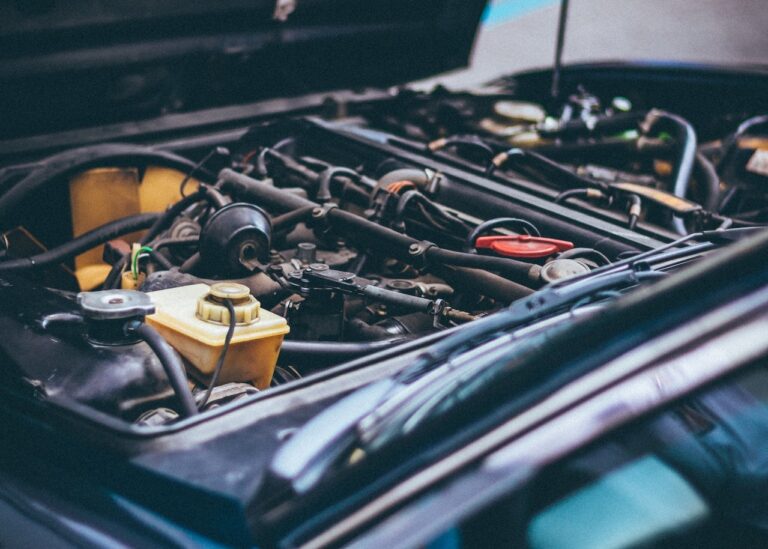
The performance of the engine is one of the most critical aspects of vehicle status. The HMI should provide real-time information on the engine’s status, such as the RPM, fuel level, and engine temperature. Additionally, the HMI should display warning messages if any issues are detected, such as low oil pressure, overheating, or a fault code.

In conclusion, by designing the HMI to provide real-time information on the vehicle’s position, in-car entertainment system, and engine performance, we can create a safe, efficient, and enjoyable driving experience for all.
Share:

More Posts

Safety Alert

KEPO 4D Exciter II: Seat Haptic Feedback for Smart Cockpit Interaction

KEPO 4D Exciter II is a seat-integrated haptic feedback system for smart cockpit and automotive seating applications. It uses vibration units built into the seat structure and software-defined haptic patterns to let occupants feel selected vehicle, entertainment, comfort, and safety-related information through the seat.

Ambient Light (3)

Analysis of the Three Lighting Methods for Automotive Ambient Lighting

Inside a car, you can often observe different qualities of light: some rays are sharp and clear, others soft and even, and some seem to emanate from within the vehicle itself. The reason behind this lies in the different lighting methods of ambient lighting—direct, indirect (reflective), and transmitted lighting.

ChatGPT Image 2026年5月13日 10 56 22 (1)

Two Work Stations on the Vehicle Exterior: Puddle Lamp and Logo Lamp in Series Production

Over the past decade, exterior lighting on production vehicles has expanded from a single function — nighttime visibility — into a set of distinct work stations. Two of them, the Puddle Lamp at the door-exit zone and the Logo Lamp on the body, have moved from luxury-segment differentiation toward mid-to-high-end electric platforms. KEPO has series-production programs in both product lines.

Contact Directly By Email

Need any solutions or help, please contact [email protected] directly.

We will respond within 12 hours. Please pay attention to the email with the suffix “@kepotech.com”.