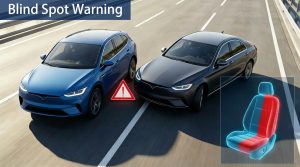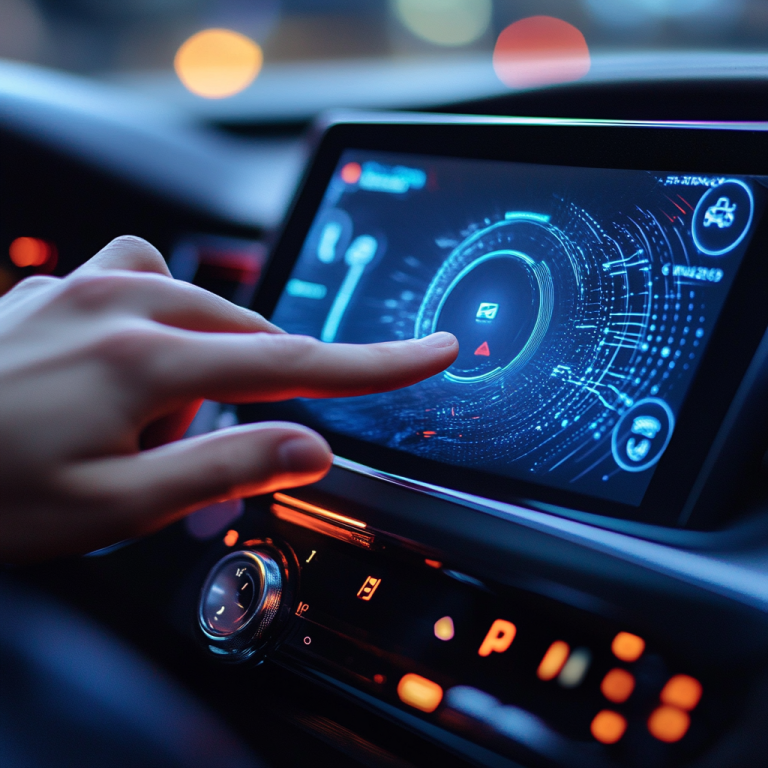
Kepo excels in the field of haptic feedback by offering highly efficient and integrated solutions, especially for automotive smart cabins and other human-machine interface (HMI) applications. Through precision motor tuning, Kepo’s vibration motor (VCM) technology enables a wide range of haptic feedback effects. These innovations enhance user interaction while improving in-vehicle safety by minimizing driver distraction from touchscreens.
Kepo’s Unique Technological Advantages
1. High Integration and Customization
Kepo offers not only standard VCM products but also tailored solutions to meet diverse application requirements. From vibration frequency and amplitude adjustments to precise feedback timing control, Kepo’s technology addresses the specific needs of various industries. For example, in automotive central control touchscreens, Kepo provides highly refined haptic feedback, simulating different touch gestures and interactions, delivering a seamless user experience.
2. Low Power Consumption with High Efficiency
Considering the power management needs of smart cabins and vehicle battery systems, Kepo’s VCM technology stands out with its exceptional low-power performance. Compared to traditional haptic systems, Kepo’s VCM solutions maintain high efficiency and precision while significantly reducing power consumption, making them ideal for modern automotive smart cabin applications.
3. Optimized Motor Design with Extended Lifespan
Kepo’s innovative motor design ensures long-term operational stability and low failure rates. The advanced structural engineering reduces friction and wear, extending product lifespan. This durability makes Kepo’s VCM solutions especially suitable for the automotive sector, where long-term reliability is critical.
4. Comprehensive System Integration and Support
Kepo provides end-to-end technical support, from hardware to software, ensuring seamless integration of the haptic feedback system with other in-vehicle electronic devices. By supporting CAN/LIN protocols, Kepo’s solutions enable efficient communication with other automotive control systems, creating a highly cohesive operational framework.
5. Advanced Button and Touch Feedback
Kepo has made significant advancements in both button and touchscreen feedback technology. For in-vehicle button feedback, Kepo’s VCM solutions offer precise control of vibration frequency and intensity, ensuring users receive clear and comfortable tactile signals during operation. For touchscreen feedback, Kepo employs advanced tactile simulation technology to deliver refined and responsive haptic feedback, optimizing the driving experience by improving safety and interaction efficiency.
6. Cost-Effective Solutions
Thanks to its expertise in VCM manufacturing and optimization, Kepo provides high-performance products while effectively reducing overall system costs. For automotive manufacturers, Kepo’s solutions enhance cost-effectiveness, lowering R&D and production expenses and delivering more competitive products to the market.
Conclusion
Haptic feedback technology, particularly VCM solutions, has become a critical component in enhancing human-machine interaction within the automotive industry. Leveraging deep expertise in VCM technology, Kepo offers efficient, cost-effective, and innovative haptic feedback solutions. Whether for touchscreen vibration or button feedback, Kepo’s solutions enable automakers to improve user experience and gain a competitive edge in the market.
Kepo’s advantages go beyond hardware innovation, extending to system integration, customized services, low power consumption, and long product lifespan. For automotive manufacturers and R&D engineers, choosing Kepo’s haptic feedback technology ensures high-quality product performance while delivering cost-effective solutions for projects.