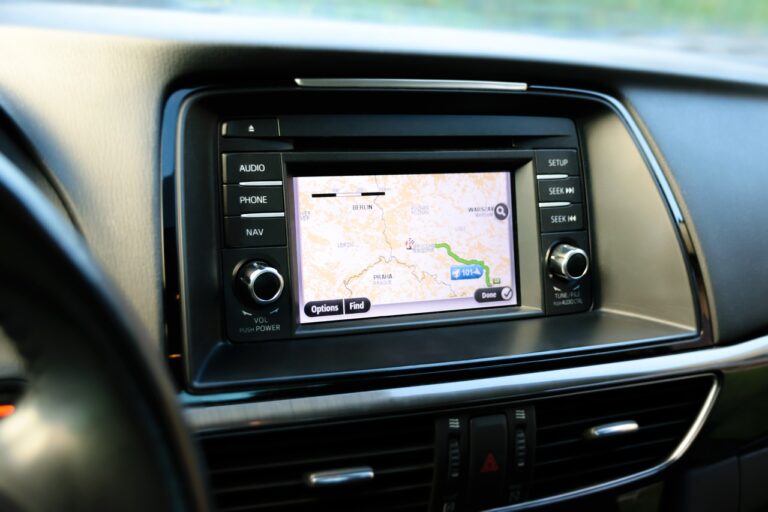
Touch/Button Control
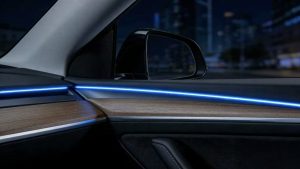
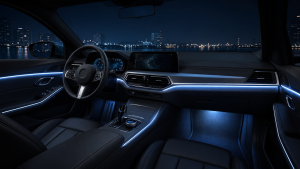
The most common way to control interior ambient lighting in cars is through touch or button controls. These controls are usually located on the dashboard, center console, or door panels. Touch controls allow for a simple and intuitive way of adjusting the lighting, while button controls offer a more tactile experience. With touch or button controls, drivers and passengers can easily adjust the brightness, color, and lighting effect of the ambient lighting to suit their preferences.
Voice Interaction Control
Voice interaction is another way to control interior ambient lighting in cars. With voice control, drivers and passengers can adjust the lighting without taking their hands off the steering wheel or other controls. For example, a driver could say “increase ambient lighting” or “change ambient lighting to blue” to adjust the lighting settings. Voice control can be a convenient way to adjust lighting while driving, but it requires a voice recognition system that can accurately interpret and respond to commands.
Gesture Control
Gesture control is a newer method of controlling interior ambient lighting in cars. With gesture control, drivers and passengers can adjust the lighting by making hand gestures in front of a camera or sensor. For example, a simple wave of the hand could change the color or brightness of the lighting. Gesture control offers a hands-free way of adjusting lighting, but it requires more complex technology and can be less precise than touch or voice control.
Conclusion
In summary, there are three main methods of controlling interior ambient lighting in cars: touch/button control, voice interaction control, and gesture control. Touch/button controls are the most common and offer a simple and intuitive way of adjusting lighting. Voice interaction offers a hands-free way of adjusting lighting, but it requires a voice recognition system. Gesture control is a newer and more advanced method, offering a hands-free way of adjusting lighting but it requires more complex technology. Ultimately, the choice of control method will depend on personal preference and the features offered by the car manufacturer.